Centang: Elevating Design with a Romantic Script
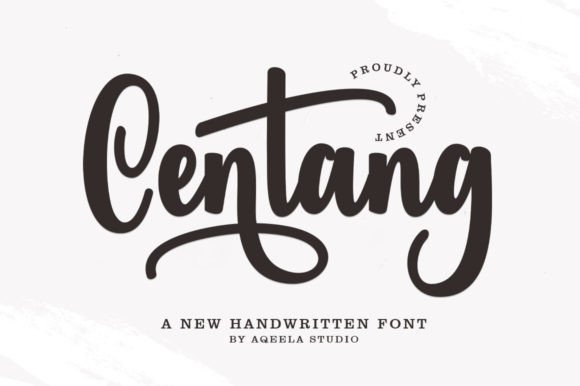
In the crowded landscape of digital typography, finding a font that carries both personality and professionalism can be a challenge. This is where Centang enters the conversation. As an enchanting handwritten font, Centang offers a versatility that spans a wide spectrum of applications, from intimate greeting cards to bold headlines. It is more than just a typeface; it is a tool guaranteed to add a romantic and authentic feel to your next creative project.
The Role of Typography in Visual Communication
Typography is the voice of your design. While sans-serifs speak of modernity and serifs evoke tradition, script fonts like Centang bridge the gap between personal expression and visual hierarchy. In modern graphic design, the choice of typeface dictates the user experience (UX) before a single word is read. Centang, with its flowing strokes and natural rhythm, instantly establishes an emotional connection with the viewer, making it a powerful asset for brand identity.
When you incorporate a distinct font into your design workflow, you are making a deliberate choice about how information is consumed. A handwritten style softens the hard edges of digital interfaces, creating a more human-centric approach to UI design. This is particularly vital in an era where consumers crave authenticity over corporate sterility.
Practical Applications for Modern Creators
The true value of a creative asset lies in its adaptability. Centang is not limited to one niche; it functions effectively across various mediums. Whether you are a freelance designer, a marketing manager, or a small business owner, this font can elevate your visual design.
- Branding and Logo Design: For brands that want to appear approachable, artisanal, or boutique, Centang offers a unique signature style. It works beautifully for logos in the fashion, beauty, or lifestyle sectors.
- Marketing Materials: From flyers to brochures, using Centang for callouts or headlines can break the monotony of body text, guiding the reader’s eye to key information.
- Social Media Graphics: In the fast-scrolling environment of Instagram or Pinterest, a handwritten font adds a layer of intimacy. It is perfect for quotes, announcements, and influencer content.
- Website and UI Design: Use Centang sparingly to highlight specific features or calls to action. It adds a touch of elegance to landing pages without compromising readability.
- Packaging Design: Product packaging often relies on typography to convey quality. Centang can mimic the look of hand-labeled artisanal goods, adding perceived value to physical products.
Strategies for Effective Implementation
While a beautiful font can inspire creativity, effective graphic design requires discipline. To ensure Centang enhances rather than clutters your work, consider the principles of visual hierarchy and readability.
Pairing and Contrast
A script font should rarely stand alone for large blocks of text. To maintain professional presentation, pair Centang with a clean, neutral sans-serif or a classic serif font. This contrast ensures that the handwritten elements pop while the main content remains legible. For example, using Centang for a headline against a background of a geometric sans-serif creates a balanced, modern aesthetic.
Context and Audience
Always evaluate your audience expectations. While Centang is perfect for creative projects targeting younger demographics or luxury markets, it may not be the best fit for corporate legal documents or heavy technical manuals. Understanding the context of your digital marketing efforts is crucial.
Scalability and Color
Test your typography at different sizes. A font that looks gorgeous on a desktop screen might become illegible on a mobile device if the strokes are too thin. Furthermore, consider your color palette. High-contrast colors ensure that the intricate details of the Centang font are visible, maintaining accessibility standards in your web design.
Enhancing the Design Workflow
Investing in high-quality design assets like Centang streamlines the creative process. Instead of spending hours trying to force a standard font to look "handmade," you start with a foundation that already possesses that character. This allows designers to focus on other aspects of editorial design, such as layout, imagery, and content strategy.
Furthermore, using consistent typography across different platforms—from print design to digital screens—reinforces brand recognition. When a customer sees the same distinct, romantic script on a website banner and a physical thank-you card, it creates a cohesive brand narrative.
Ultimately, the goal of any design project is to communicate a message effectively while evoking the right emotion. Centang provides the versatility to do just that. By thoughtfully integrating this script font into your toolkit, you can transform standard layouts into compelling visual stories that resonate with your audience and elevate the overall quality of your work.