The Smileyface Font: A Timeless Touch for Modern Design
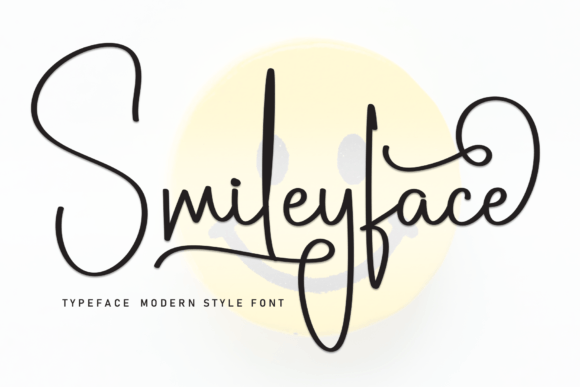
Discovering a font that instantly injects personality and warmth into a project is a rare find for any designer. The Smileyface typeface is precisely that—a lovely and timeless handwritten font designed to create eye-catching logos, branding, and quotes. Every letter has a unique and beautiful touch, which will make your design come alive, offering a human-centric quality that stands apart in a digital landscape often dominated by sterile, geometric typefaces.
Understanding the Role of Handwritten Fonts in Visual Design
In modern graphic design, typography is a primary vehicle for emotion and tone. While sans-serifs convey clarity and serifs suggest tradition, a carefully crafted handwritten font like Smileyface communicates authenticity, creativity, and approachability. This makes it an invaluable creative asset for projects aiming to build a genuine connection with an audience. Its fluid lines and personal style can soften a brand's visual identity, making it feel more relatable and less corporate.
Practical Applications Across Creative Projects
The versatility of Smileyface allows it to enhance a wide array of design contexts. Its strength lies in applications where a personal, handcrafted aesthetic is desired to improve visual hierarchy and user engagement.
- Brand Identity and Logo Design: Use Smileyface to craft a distinctive wordmark or logotype that embodies a brand's friendly and innovative spirit. It's particularly effective for boutique businesses, creative agencies, or lifestyle brands.
- Marketing and Social Media Graphics: Create standout quotes, call-to-action buttons, and promotional text for social media posts. Its readability at various sizes ensures your message is both seen and felt, boosting engagement in a crowded feed.
- Web and UI Design: Apply it to hero text, section headings, or special feature callouts to add a layer of visual interest. In UI design, it can highlight interactive elements or personalized messages, improving the overall user experience.
- Packaging and Print Design: From product labels to business cards and editorial layouts, Smileyface adds a tactile, premium feel. It excels in packaging design for artisanal goods, cosmetics, or gourmet foods where the unboxing experience is part of the brand story.
- Digital Products and Presentations: Enhance the aesthetic of e-books, worksheets, or slide decks. Using it for titles and key takeaways can guide the viewer's eye and make content more memorable and professionally presented.
Integrating Smileyface Effectively into Your Design Workflow
Successfully incorporating a distinctive font requires thoughtful application. To maximize its impact without compromising clarity, consider these practical tips for your design workflow:
- Establish Visual Hierarchy: Use Smileyface for headlines, subheadings, or key phrases to draw attention. Pair it with a clean, neutral sans-serif for body text to ensure readability and create a balanced composition.
- Respect Audience and Context: While highly versatile, assess if the font's personality aligns with your project's goals and audience expectations. It shines in contexts calling for warmth but may not suit ultra-formal or technical communications.
- Ensure Scalability and Compatibility: Test the font at the sizes it will be used, from large banners to small mobile screens. Confirm it complements your existing color palette and other visual elements to maintain a cohesive brand system.
- Focus on Consistency: Define clear rules for its usage—perhaps only for primary headlines or certain types of content—to maintain a consistent and professional presentation across all touchpoints, from digital marketing to print materials.
Ultimately, the power of a font like Smileyface lies in its ability to transform standard text into a meaningful part of your visual narrative. By making deliberate typography choices, designers and creators can significantly elevate the quality of their work, ensuring that every element works in harmony to communicate a clear, compelling, and beautifully crafted message. Thoughtful selection of creative assets is not just about aesthetics; it's a fundamental strategy for effective visual communication and lasting brand impact.